
World's wealthiest countries: Singapore is first for purchasing power but drops to 8th once working hours are included
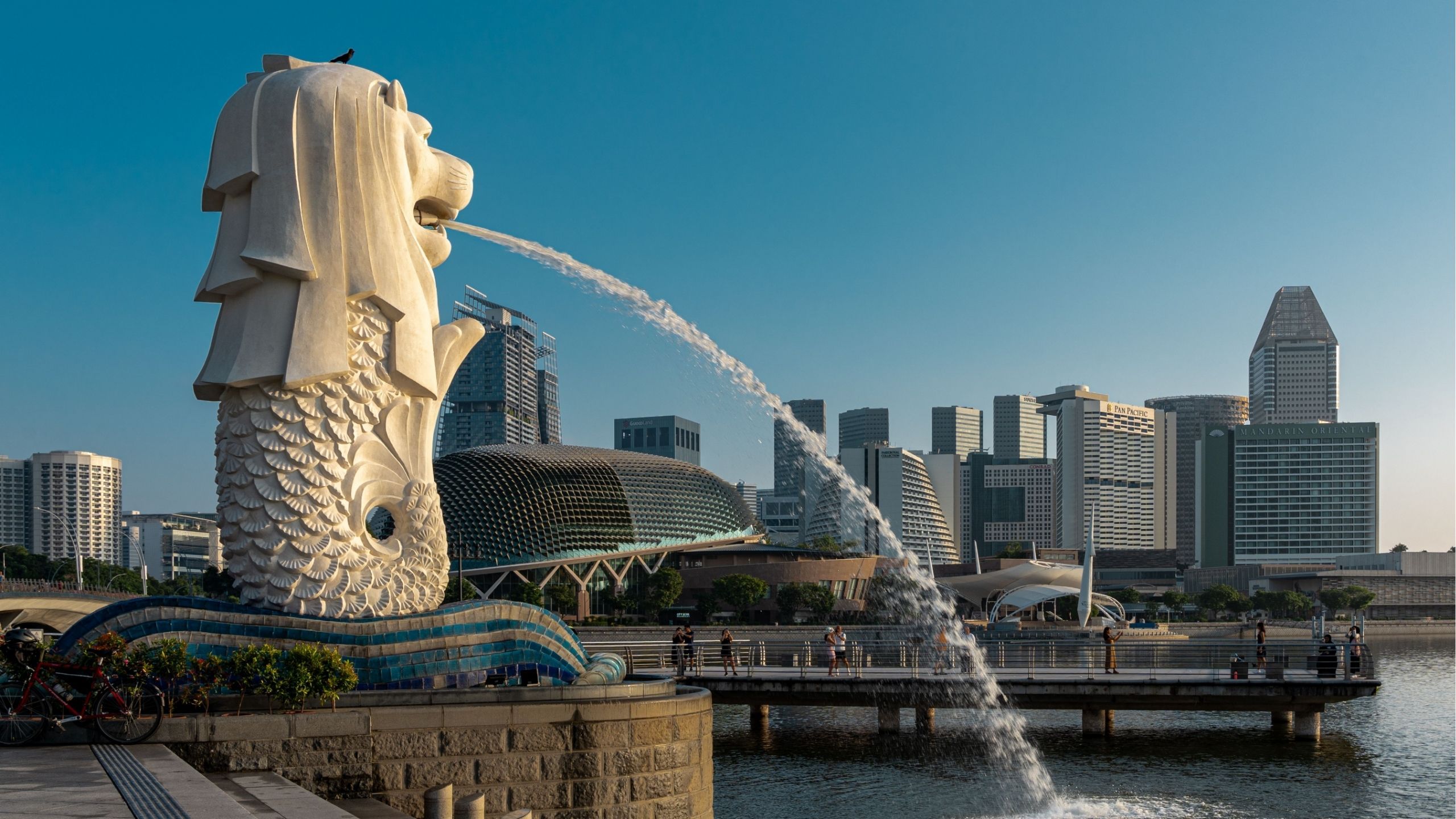
Iconic Merlion statue with Singapore skyline under clear blue sky, showcasing modern architecture and city's charm.
SINGAPORE: By any measure, Singapore is an exceptionally prosperous and productive country and is often ranked among the wealthiest in the world. However, a recent report shows that its high GDP comes alongside a working day that’s longer than that of other countries.
Using data from The Economist, a report from Visual Capitalist looked into which country is the wealthiest viewed from three different perspectives: GDP per capita alone, GDP per capita adjusted for purchasing power parity, and GDP per capita adjusted for working hours.
Singapore emerged in the top ten in all three lists, ranking second, first, and eighth respectively.
GDP per capita is, of course, a country's total economic output divided by its total population. Switzerland ranks first (US$103,670 or S$132,554.54), followed by Singapore (US$90,674).
Meanwhile, GDP per capita adjusted for Purchasing Power Parity measures how much the average person in a country can afford to buy. For example, S$10 can buy a person two meals in one country, but only one in another. This means that S$10 has two times the purchasing power in the first country.
After adjusting for purchasing power, Singapore emerged in first place (US$150,689), while Switzerland slipped to fifth place (US$93,819).
Visual Capitalist pointed out how, in terms of purchasing power parity, Singapore has climbed the rankings over the past two decades.
Singapore’s ranking was the lowest in terms of GDP per capita adjusted for working hours. This measures how much wealth a country generates relative to how much time its people actually spend working. According to this metric, Norway ranks first (US$114,804), and Singapore is in eighth place (US$85,552). A standard full-time work week in Norway is 37.5 hours, while in Singapore, the national average is about 43.1 hours per week.
Singapore’s “high output per resident is accompanied by more hours worked per resident than the global average,” the report added.
What does this mean for everyday Singaporeans?
While the report does not mean that every Singaporean has a high income, it does point to the strength of the city-state’s economy relative to other countries.
Newsletter
Get updates straight to your inbox
A strong economy is more likely to have substantial benefits to its citizens, such as better job opportunities, healthcare, education, social programmes, and public infrastructure, as well as higher wages and retirement benefits.
However, a high GDP does not necessarily reflect affordability when it comes to essentials such as housing or childcare, nor does it indicate how much of the wealth is concentrated in the hands of the few as opposed to a broader middle class. /TISG
Read also: Jamus Lim: Singapore’s wealth looks strong on average, but is not everyone’s lived reality